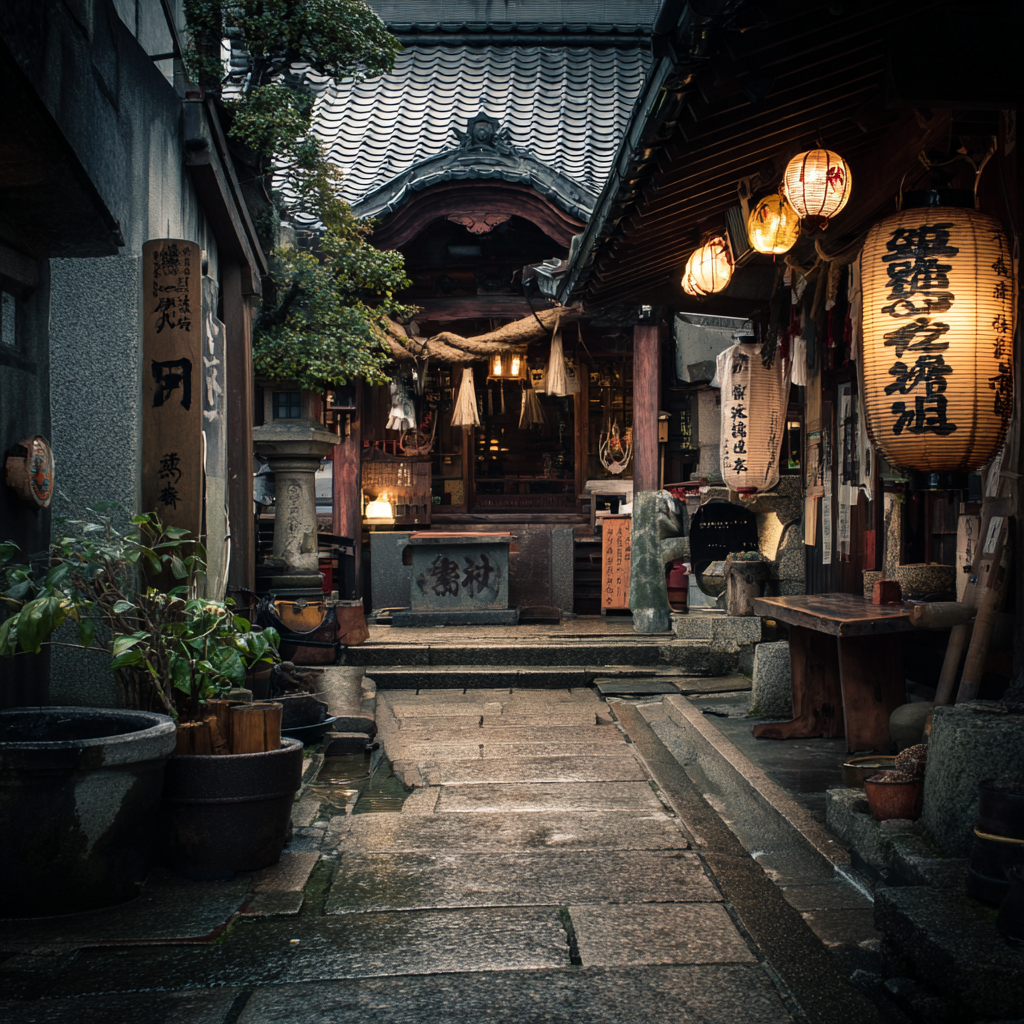
Walking in hidden Japan is about noticing contrasts. A narrow alley in Tokyo can have a tiny ramen shop on one side, a shrine tucked behind a fence on the other, a vending machine glowing softly in between. The smells hit you first – soy, fried tofu, incense from a shrine, a hint of flowers someone left by the door. People move past with purpose, but if you slow down, watch carefully, you see little gestures: an old man folding a newspaper, a child chasing a stray cat, a shopkeeper carefully arranging sweets in a display.
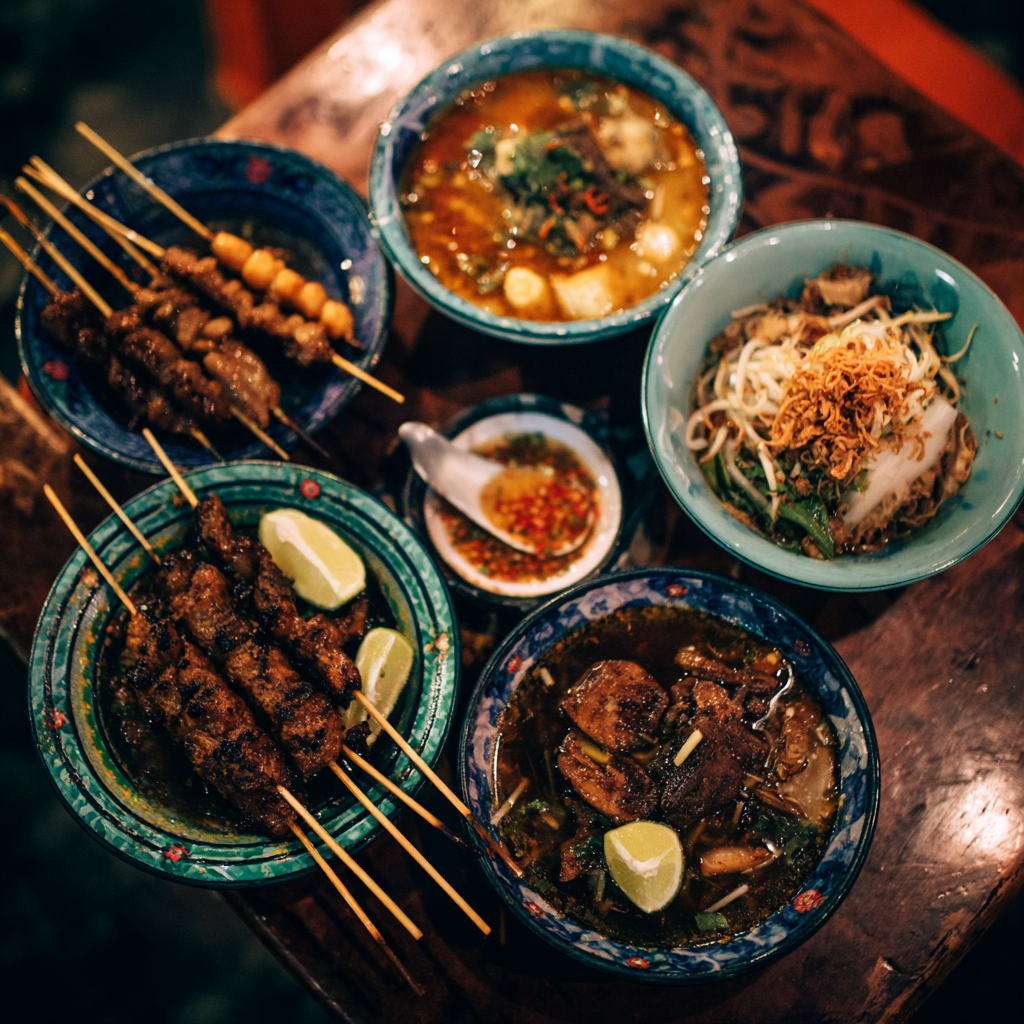
Street food here is not just sustenance, it’s a way to taste local life. In Osaka, you’ll find takoyaki stalls tucked in corners of busy streets. The octopus balls are crispy on the outside, molten and savory inside. You grab one, eat it standing up, burn your tongue, laugh a little, and keep walking. Maybe a few steps later you see okonomiyaki sizzling on a hot plate, smell the batter and cabbage, watch the chef carefully flip it. Each bite is local culture, a little story on a plate.
Hidden Japan is also about nature. Travel north to the small towns of the Japanese Alps. The mountains are steep, covered in evergreens, and dotted with wooden houses and hot springs. There are no crowds here. You might walk a trail for hours and only see a lone hiker, or a deer grazing quietly. Stop at a ryokan – a small family-run inn – and soak in a hot onsen with water steaming into the crisp mountain air. The world slows, your thoughts quiet, and for a moment, the city feels like a distant memory.
Even the smallest towns have secrets. A tiny fishing village on the coast of Shikoku has a market where fish are auctioned at dawn, but only locals know about it. You might arrive at six in the morning, be the only foreigner, watch fishermen sorting their catch, smell the salt and the sea. Someone offers you a grilled sardine, simple and smoky, and you eat it standing there, listening to waves. That’s Japan - modest, precise, and quietly generous.
Hidden Japan is in small traditions too. Seasonal festivals, for instance, are intimate affairs outside the main tourist draws. A village in the countryside might have a cherry blossom viewing party, a local shrine ceremony, or a lantern lighting at night. People gather, sit on picnic blankets, share snacks, and laugh with friends and neighbors. You watch from the side, maybe join in, and you feel included even as an outsider, because these moments are about connection, not spectacle.
Walking in hidden Japan is often walking with your senses awake. Bamboo forests in Arashiyama are serene, paths winding, sunlight filtering through the leaves. You hear the wind, the rustle of bamboo, a bird maybe, and nothing else. A tiny shrine appears suddenly between the trees, a stone path leading to it, moss-covered statues. You stop, take a deep breath, and notice how small you feel in the vastness of life, how connected to it all.
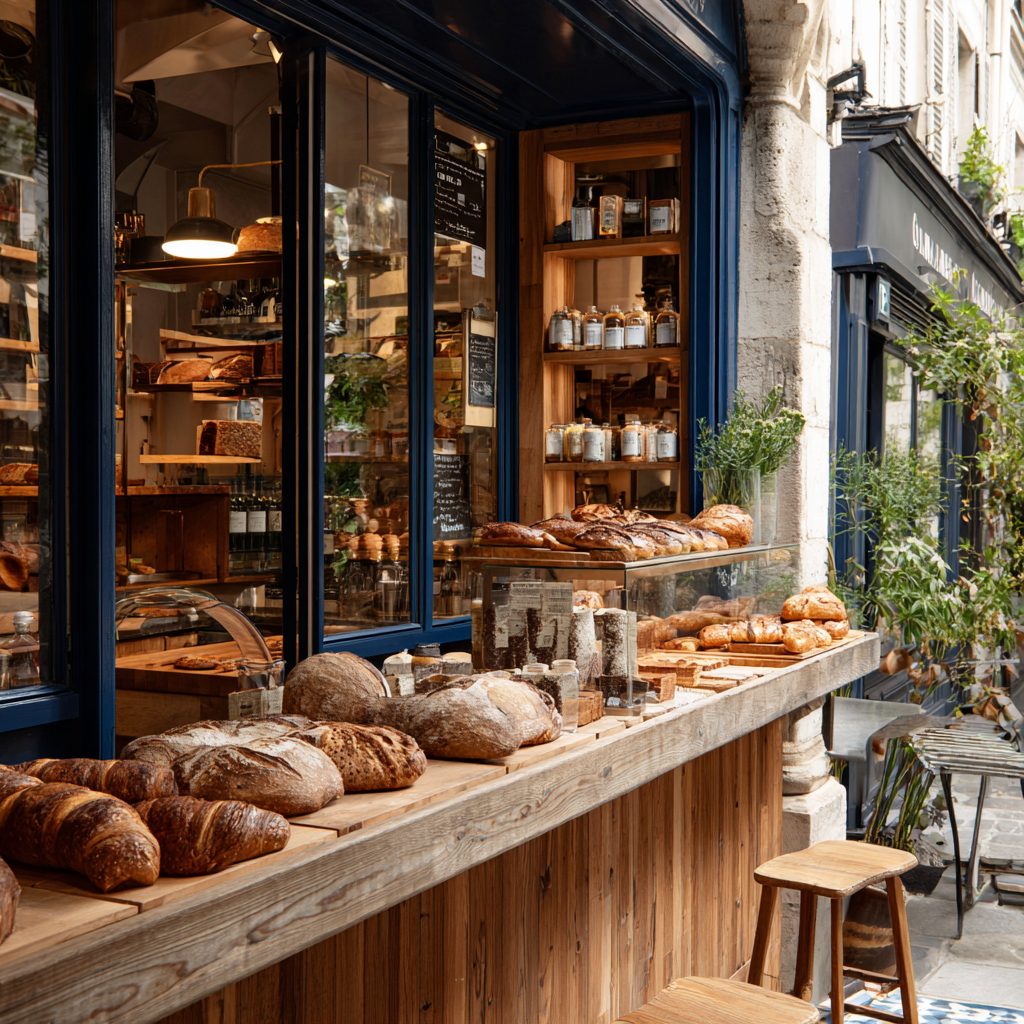
Even in cities, hidden corners exist. Kyoto has small artisan shops where handmade knives, ceramics, or textiles are displayed like tiny treasures. Tokyo’s backstreets in neighborhoods like Nakameguro have little cafes, bookshops, and craft stores you’d miss if you followed only the main streets. People inside are working quietly, chatting softly, and you realize that these little spaces carry the real soul of the city.
The rhythm of hidden Japan is slow and deliberate. You eat slowly, walk slowly, notice slowly. You pause at a temple gate, watch a cat curl on a stone lantern, take photos but not too many, let moments sink in. You repeat this, day after day, and slowly, the country opens up, not in big sweeping gestures, but in small, intimate experiences.
Japan is not always perfect. You’ll encounter oddities, maybe a vending machine selling unusual flavors, or a tiny shrine tucked under an apartment staircase, or a festival with no English explanations. That’s part of the charm. It’s slightly messy, slightly unexpected, and completely real. You have to pay attention, and when you do, the beauty reveals itself.
Hidden Japan is also about timing. Early mornings in a small town market, late afternoons by a quiet river, evenings in a neighborhood izakaya. The country has its own pulse, and if you move with it, you see its quiet brilliance.
And food is always central. Sushi in a local, uncrowded place, simple soba noodles in a mountain village, sweet mochi sold from a tiny shop in a backstreet. You eat, you walk, you look around, you repeat. Every bite, every step, teaches patience, curiosity, and attention.
By the time you leave, you’ve experienced a Japan most people never see. Not the flashy signs, the crowded stations, the popular temples. But the quiet alleys, the local markets, the small moments of human connection, the taste of food prepared with care.
Hidden Japan lingers. You remember the smell of incense in a small temple, the taste of freshly grilled fish by the sea, the crunch of leaves underfoot in a bamboo grove. You carry these moments home with you, and when you cook rice, or drink tea, or walk a quiet street, a little piece of Japan stays with you.
Walk slowly, notice deeply, eat mindfully. Hidden Japan isn’t just a place - it’s a way to see, to taste, to feel.