And then, when the stomach growls, you eat. You don’t think about Michelin stars or reviews, you follow the scent of fresh bread, garlic, tomato, basil, and something else, something that makes your chest fill with warmth. Maybe it’s a little trattoria tucked in a side street, the kind that doesn’t have a sign out front. You push open the door and there’s the smell of wood-fired pizza, the chatter of locals, the clatter of plates.
Florence has a million ways to eat, but start simple. A panino with lampredotto - the local cow stomach sandwich that only the bravest travelers dare - will change your perspective. It’s messy, it drips with sauce, and maybe you get a bit on your shirt, but that’s part of it. You wipe it off with a napkin and laugh because it tastes so, so good. Then, gelato. Always gelato. You wander back through the streets with a cone in hand, sticky fingers, a little sugar on your nose. That’s walking and eating, the Italian way.
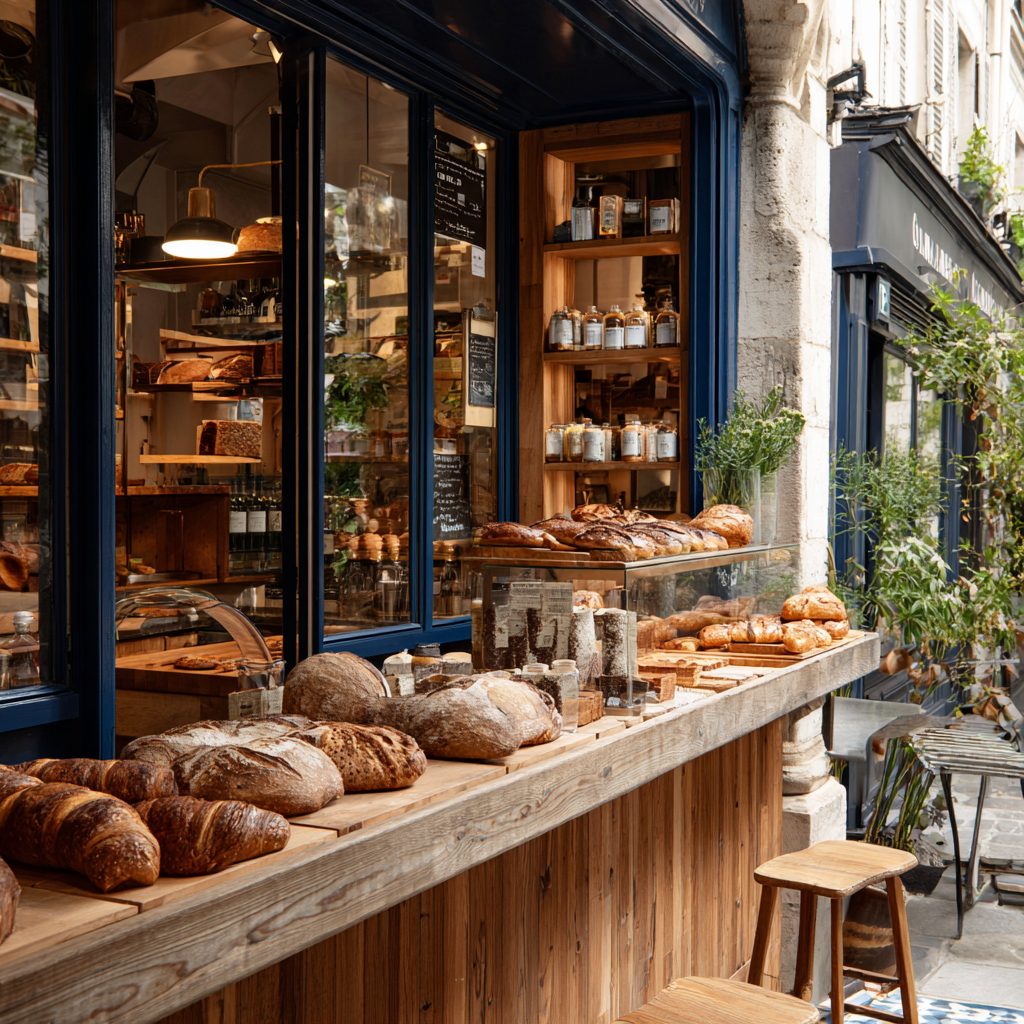
Travel south a little, to Rome. The city is chaos in the best sense - horns honking, scooters zipping past, markets spilling over with fruit so colorful it almost hurts your eyes. You start walking from Campo de’ Fiori and suddenly find yourself pulled into the rhythm of the city. Stop at a small bakery and grab a cornetto - it’s like a croissant but lighter, filled with cream, chocolate, or jam. Coffee with that? Obligatory. Italians sip their espresso standing at the bar, short and sharp. Don’t sit down, it’ll ruin the experience.
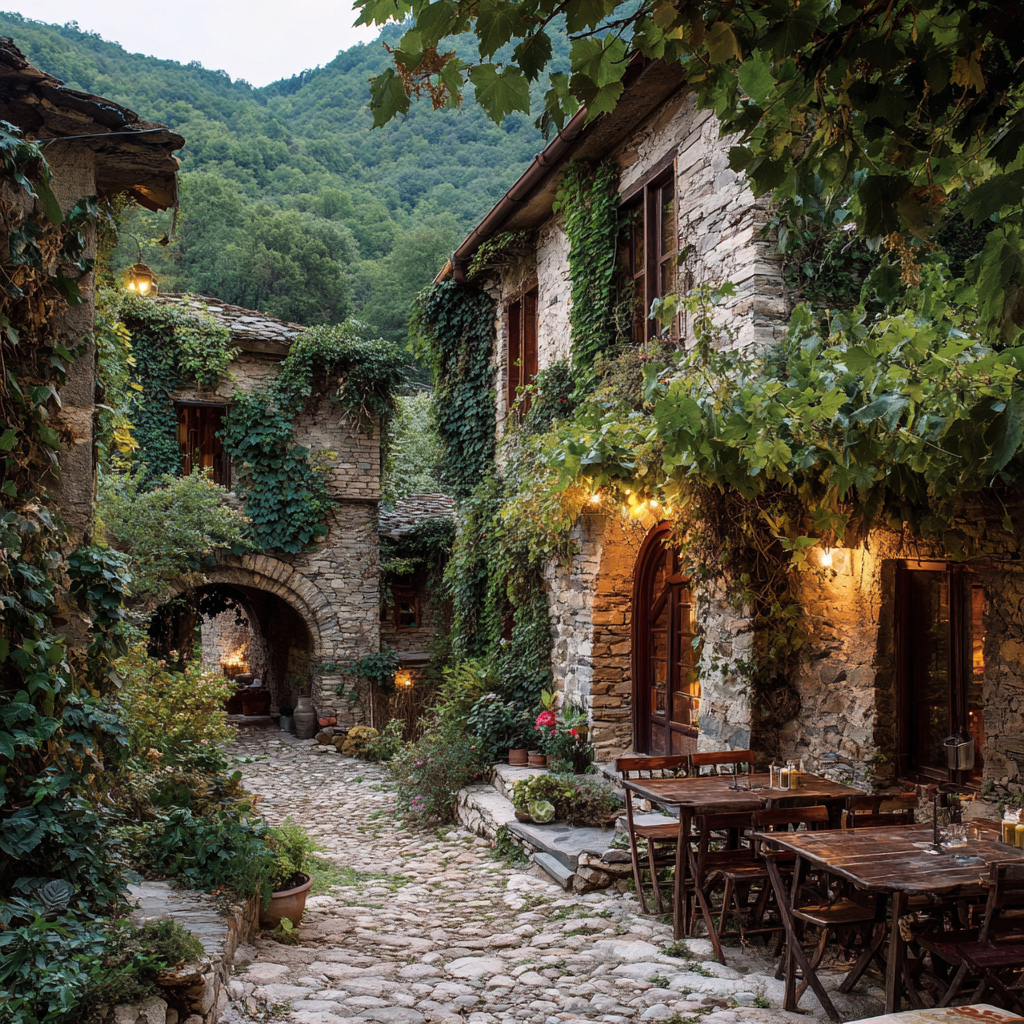
Now, Rome is big and grand, and you will see the obvious sights - the Colosseum, the Pantheon, Trevi Fountain. But the real Rome, the one that lingers, is in the side streets. In Trastevere, for instance, you get lost in narrow lanes, uneven stones under your feet, ivy creeping up walls. Small restaurants have tables on the street, white tablecloths, a single candle flickering. Pasta carbonara, cacio e pepe, amatriciana - each bite makes you pause, not just chew. People talk loudly, laugh, share wine. You might not speak Italian, but somehow you understand.
Food isn’t just about eating. It’s about sitting, talking, being a little slow. You walk a bit, you eat a bit, you notice the sky, the stone of old buildings, the way light falls on a fountain. Repeat. That’s Italy.
Naples changes the pace. It’s chaotic in a different way - messy, hot, loud. But oh, the pizza. Pizza Napoletana is worth the trip alone. The dough is soft and puffy at the edges, the tomato sauce tangy, mozzarella fresh and melting. You might stand in line for 30 minutes at one famous spot, but it’s worth every second. Bite after bite, the flavors explode - basil, tomato, cheese, just a drizzle of olive oil - and you feel alive. Walking here means dodging scooters, weaving through crowds, taking in the energy of the city. You’ll smell espresso, fried street snacks, fresh pastries, and it all blends together like a song you didn’t know you knew.
Then there’s Tuscany. Ah, Tuscany. Here, walking and eating become almost poetic. Olive groves, vineyards, rolling hills, cypress trees standing like silent guards. Stop at a small agriturismo - a farmhouse turned restaurant - and taste local cheeses, meats, and wines. Chianti, brunello, vernaccia, it’s a little dizzying. Bread is thick, rustic, and paired with olive oil so green and peppery it makes your tongue tingle. Here you walk more slowly. The hills invite it. You might climb a small trail, look back, and see the patchwork of fields, the small towns perched on hillsides, smoke curling from chimneys. Then you eat again, maybe a slice of ribollita or pici pasta with a meat sauce. Italy slows you down, but it feeds you in ways you didn’t realize you needed.
Venice is another story entirely. Walking here is slightly surreal. No cars, just water and stone. The canals reflect the old buildings, gondolas glide past, tourists with maps and selfie sticks everywhere. But if you wander beyond the main squares, away from San Marco and the Rialto, you find quiet streets, tiny bacari, little wine bars. Cicchetti - Venetian tapas - are tiny bites of heaven: fried fish, marinated vegetables, creamy cheeses. You stand with locals, a glass of spritz in hand, talking about nothing, everything. Eating here is about stopping, tasting, noticing. Walking is about getting lost, letting the city unfold. Repeat.
Florence, Rome, Naples, Tuscany, Venice - each city, each region, each alley or vineyard teaches the same lesson: walk, eat, repeat. It’s a rhythm you fall into without realizing. Meals aren’t rushed, streets aren’t hurried, and life, for those few days, feels almost perfect.
Italy teaches patience. There’s a beauty in slowing down. You notice the curves of a terracotta roof, the way sunlight hits a cobblestone street in the morning, the smell of fresh bread before it’s even out of the oven. You might buy a small bag of fresh pasta from a local shop, and a few steps later, a piece of focaccia so soft it almost melts in your mouth. And just like that, your day becomes a series of little joys, stitched together by movement and taste.
And yes, it’s messy. You spill sauce on your shirt, you get gelato on your fingers, you might bump into a stranger in a narrow street. But messiness is part of the magic. Life in Italy is not perfect, but it is vivid.
Traveling through Italy this way also teaches you to pay attention. Not just to the food, or the architecture, or the art, but to the small moments: a woman selling lemons from a basket in a market, a group of friends sharing a bottle of wine on a bench, a musician playing a soft tune under a bridge. All these things flavor your day in a way that no guidebook can.
And the walking itself is part of the feast. Streets are uneven, hills are steep, and somehow you never mind. You see something, stop, taste something, take a picture, move on. Repeat. Your body gets a workout, your mind slows, and your senses wake up. You smell the bread, see the colors, hear the chatter, taste the wine, and feel the heat of the sun or the cool of a morning breeze.
Even in the rain, Italy has charm. Umbrellas pop up like colorful mushrooms, the cobblestones shine, and trattorias become even more inviting. You duck in, shake off the water, and suddenly a plate of pasta in front of you feels like a warm hug. Walking in Italy is not just transportation, it’s meditation, discovery, immersion. And eating is celebration, reward, ritual.
Italy asks nothing more from you than to be present. To taste, to move, to notice, to repeat. It doesn’t require perfection, it doesn’t care if you don’t follow a map. You wander, you stumble, you savor, and somehow it all comes together.
At the end of the day, you find a quiet piazza, sit on the edge of a fountain, maybe with a cone of gelato or a slice of pizza, and you watch the world pass. Children chase each other, tourists take selfies, locals walk dogs. And you realize that you’ve been practicing Italy’s secret rhythm all along: eat, walk, repeat.
You’ll leave, eventually. But the rhythm stays. Every meal you remember, every street you walked, every scent that made you pause - it follows you home. And when you cook pasta in your kitchen, or sip a strong espresso, or slice a fresh tomato, a little piece of Italy is there, whispering: repeat, repeat, repeat.
Because that’s how Italy teaches you to travel. Not with checklists or schedules, but with curiosity, appetite, and a willingness to move through the world slowly, messily, and fully.
Eat. Walk. Repeat.