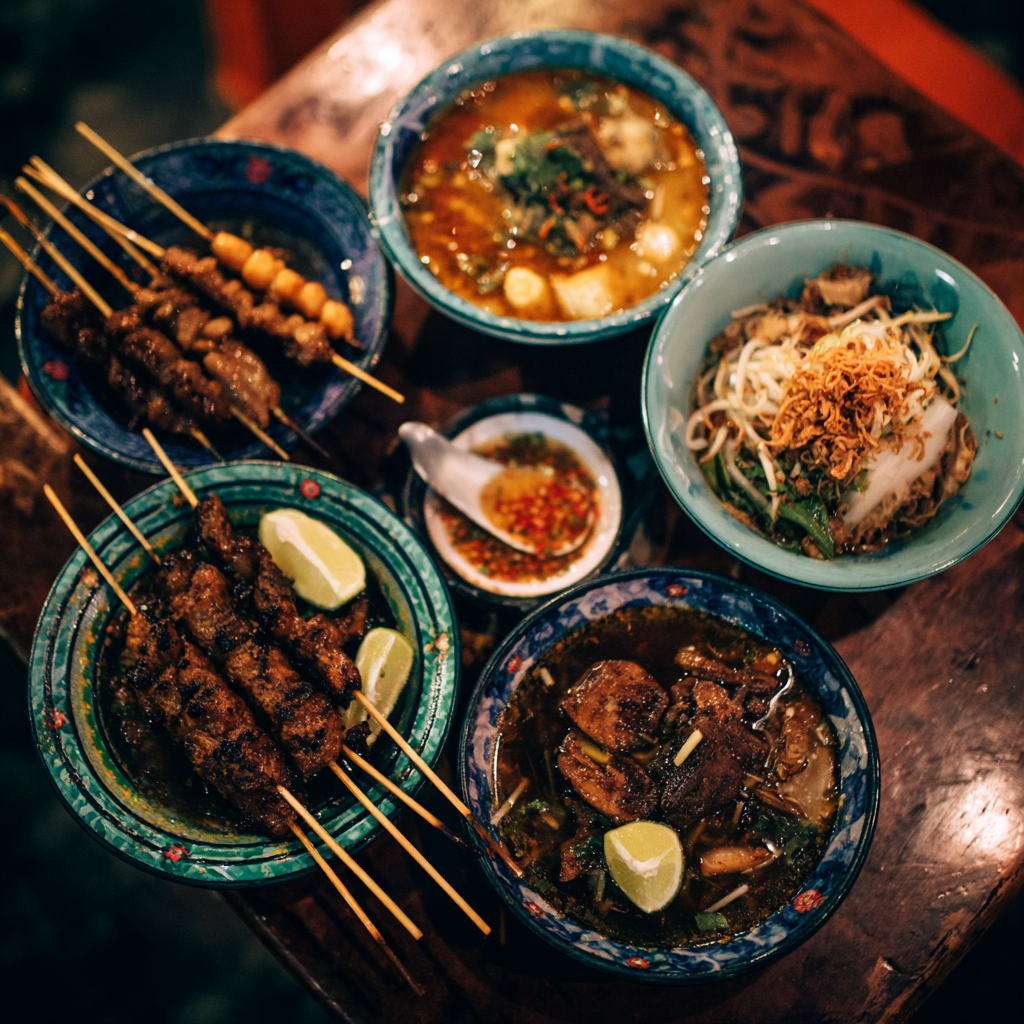
Food here is central, not an accessory. A khachapuri - a boat-shaped bread filled with cheese and butter - is practically a rite of passage. Tear it open while still warm, scoop the cheese with a bit of crust, and let it melt in your mouth. Messy, greasy, perfect. Then try khinkali, the dumplings stuffed with beef, pork, or mushrooms. Hold them by the top, bite carefully, sip the broth inside, don’t spill. Or maybe you do, and that’s okay — that’s part of eating in Georgia. Every meal is a performance, a story, a celebration.
Wine isn’t just wine here, it’s history in a glass. Georgia is the birthplace of wine, using qvevri - clay pots buried underground for fermentation. Head to Kakheti, the wine region in eastern Georgia. Vineyards stretch across gentle hills, small families tending grapes the same way their ancestors did for centuries. Taste the local saperavi or rkatsiteli, red and white wines with depth, a little wild, a little smoky. Sit under a tree, sip slowly, watch the sunlight spill across the vines, and feel your pulse slow. Walking through vineyards, eating a little cheese or bread from a local market, you get a sense of Georgia that guidebooks rarely capture.
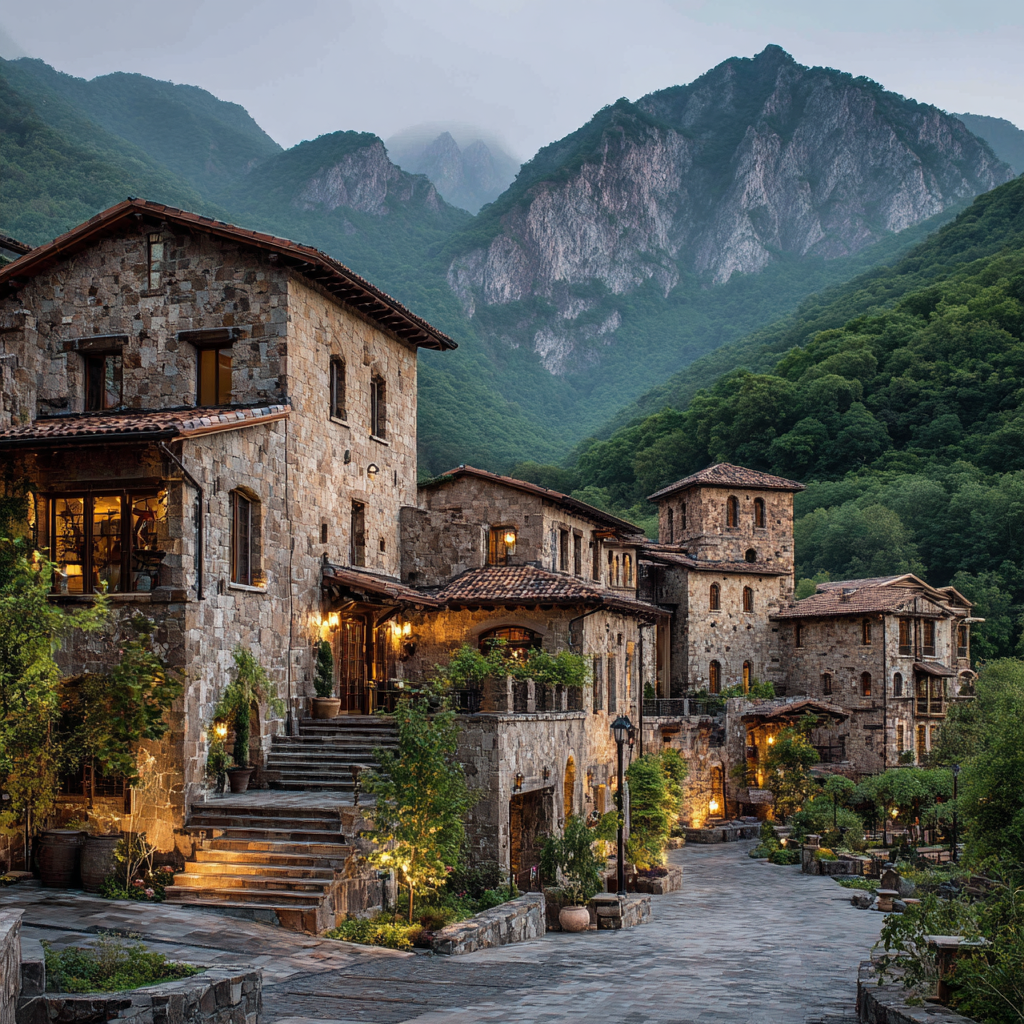
Outside the cities, Georgia turns cinematic. The Caucasus mountains rise sharply in the north, snow-capped peaks glinting in the sun, rivers rushing down valleys. Villages cling to cliffs, stone houses stacked like dominoes, shepherds moving flocks across hillsides. Walk through these villages, and people smile and greet you, even if you can’t speak Georgian. A small guesthouse might offer you a bowl of fresh yogurt, a loaf of bread, a glass of homemade wine. Sit, eat, drink, repeat. You’ll leave with sticky fingers, a full belly, and a strange sense of peace.
Kutaisi, in the west, is quieter, less known by tourists. The city itself has old Soviet-era buildings and wide streets, but a short walk outside brings you to the Gelati Monastery, perched above a forest, or the Martvili Canyon with its turquoise waters. You walk along the river, pause to admire waterfalls, maybe swim if it’s warm enough. Then return to town for a plate of mchadi - simple corn bread - with lobio, stewed beans flavored with herbs. Georgia doesn’t hide its pleasures, it just waits for you to notice.
Food markets are tiny gold mines of local culture. In any town, you’ll find stalls of fresh fruit, walnuts, honey, herbs, cheeses. Stop, taste, talk to the sellers, and buy something - a bag of tkemali (sour plum) sauce, a jar of thick honey. The exchange feels personal, human, real. Then wander a little more, and maybe eat your purchase while sitting on a bench overlooking a square, listening to the chatter around you.
Georgia is also about surprises. A church on a cliff, a waterfall hidden behind trees, a tiny teahouse serving chai with cardamom. You might stumble on a traditional supra - a feast with endless dishes, mountains of food, a table full of people raising toasts led by a tamada, the toastmaster. Toasts are serious business here, and humorous, and wise, and long. You drink, listen, smile, laugh, repeat.
Walking in Georgia is as much about scenery as it is about people. Streets twist up hills, rivers curve past stone bridges, fields spread wide with nothing but sky above. You climb, you descend, you pause, you stare. Mountains invite you to slow down. Villages invite you to linger. Cafes invite you to eat. Repeat. That’s the rhythm here.
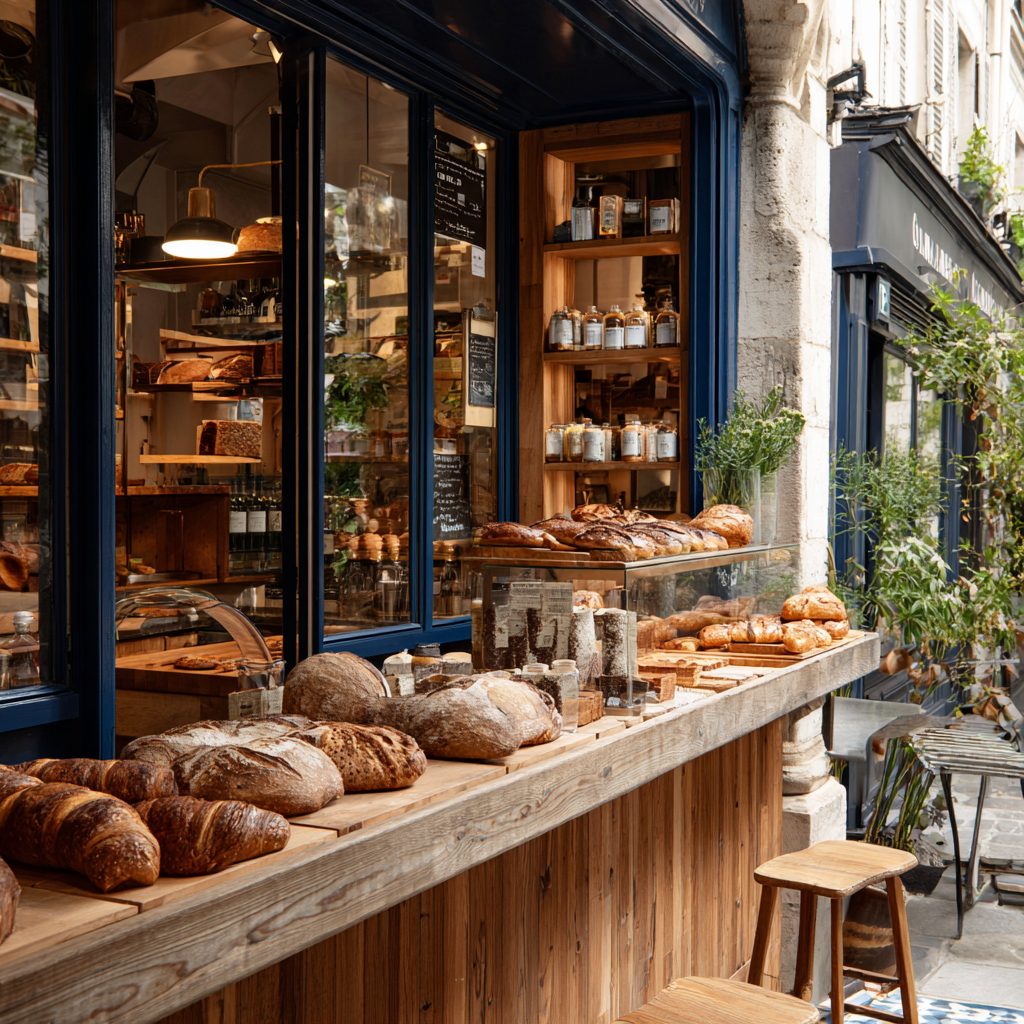
Even small towns have hidden gems. Signagi, the “City of Love,” overlooks the Alazani Valley, with colorful houses stacked along winding streets. The locals sell wine in small shops, tiny bakeries offer pastries you can’t pronounce, but will eat anyway. Walk up to the walls surrounding the town for a sunset view, sip some wine, and you understand why travelers fall quietly in love with Georgia.
The Black Sea coast is different - humid, lively, slightly chaotic. Batumi has a mix of old Ottoman buildings and modern skyscrapers, a boardwalk with palm trees, the smell of the sea. Street food is everywhere - grilled corn, fried cheese, sweet pastries. Walk along the shore, try a few bites, watch the waves crash, repeat. Georgia isn’t just mountains and wine, it’s water, it’s spice, it’s flavor in motion.
And yes, it’s messy. You spill sauce on your shirt, drop a bit of wine on the tablecloth, burn your tongue on fresh bread. You laugh, you wipe it, and you go on. That’s life in Georgia - imperfect, alive, and vibrant.
By the time you leave, you carry Georgia in your senses. The taste of wine and khachapuri, the smell of pine in the mountains, the sound of a river rushing past a village, the sight of snow-capped peaks against blue sky. Walking, eating, repeating becomes a rhythm you don’t want to lose.
Georgia isn’t just a destination. It’s a lesson in slowing down, savoring life, and noticing the little things. Walk slowly, eat deeply, and repeat. That’s how Georgia leaves its mark.