From Santiago, head north to the Atacama Desert. The driest place on Earth is also strangely alive. Valle de la Luna looks like the surface of the moon - jagged rocks, salt flats, endless sky. Walking here is surreal, your steps echo across empty valleys, the wind carrying a scent of dust and stone. Stop at a small oasis or local café, sip on fresh juice made from local fruits, nibble on empanadas. The desert isn’t just dry - it’s quiet, reflective, and full of surprises.
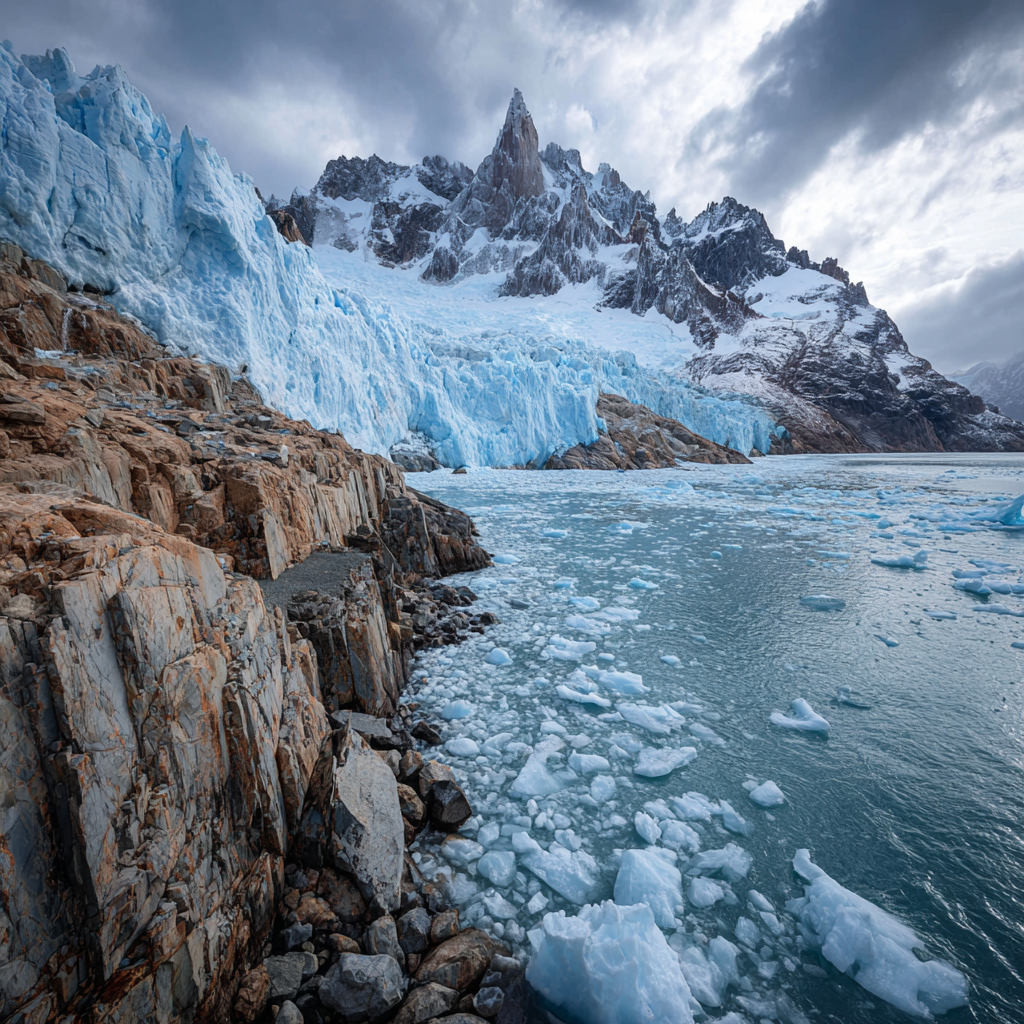
Patagonia is where Chile becomes untamed. Torres del Paine National Park is the crown jewel. Hiking here is not for the faint-hearted, but it’s transformative. Trails weave past turquoise lakes, glaciers calving into rivers, and peaks that seem impossible in their grandeur. Stop for lunch on a hill overlooking the valley, unwrap a sandwich or local snack, and just stare. The scenery is the appetizer, the main course, and the dessert all at once. Repeat the next day, and the day after.
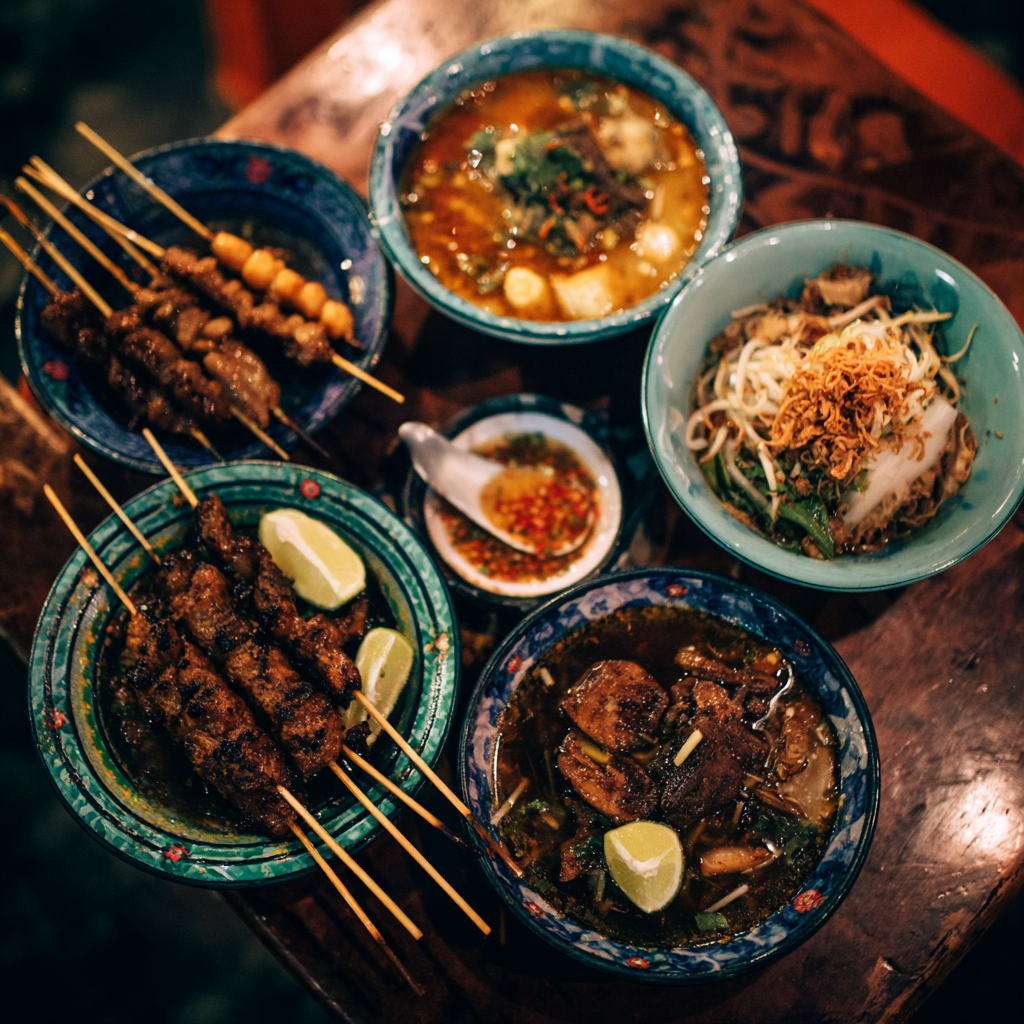
Food in Patagonia is hearty and comforting. Lamb roasted over an open flame, trout fresh from glacial streams, stews thick with root vegetables. You’ll eat standing on a trail, sitting on a rock, or at a small refugio tucked between peaks. Every meal feels earned, every bite tastes of the land you’ve just walked through. Pair it with a glass of local red wine or a crisp craft beer, and you understand why travelers linger.
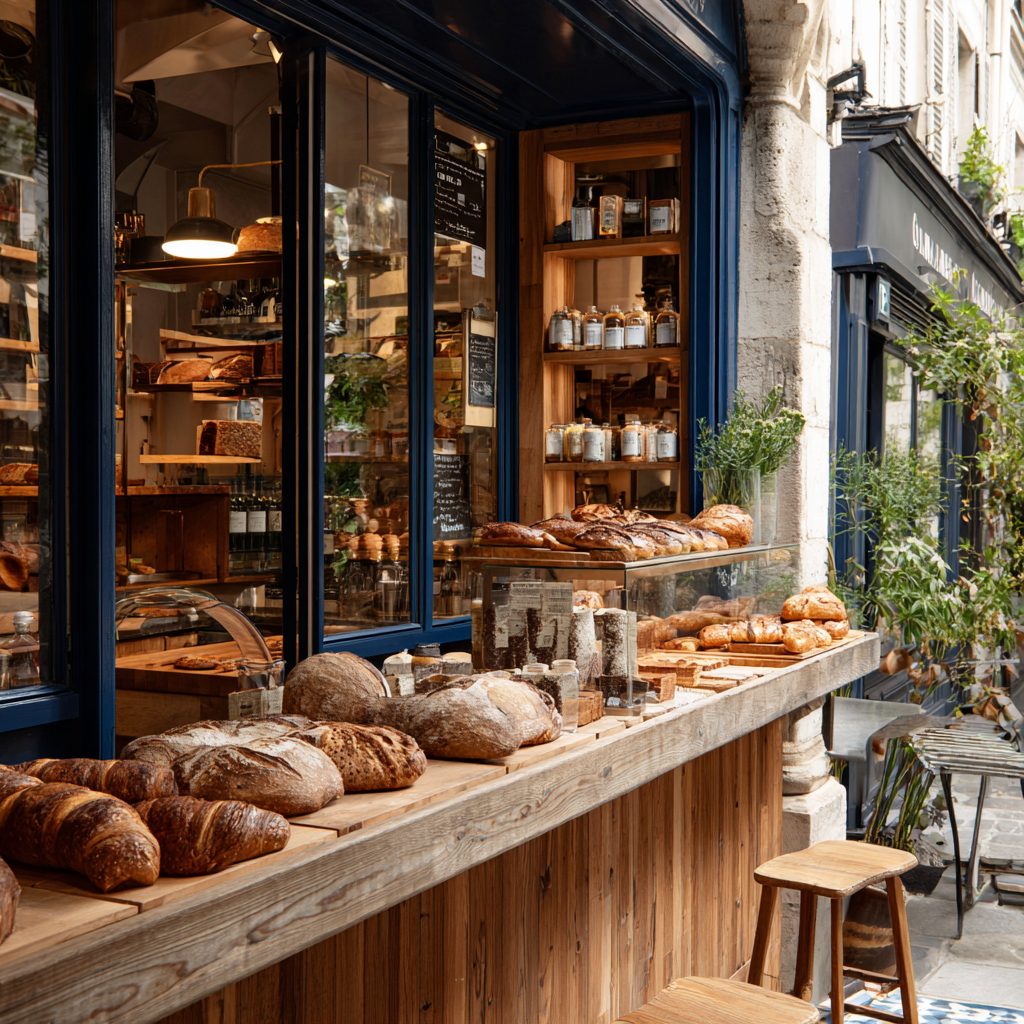
Puerto Natales, the gateway town to Patagonia, is small but lively. Streets lined with wooden houses, colorful shutters, and cozy cafes. Walk along the waterfront, breathe in the sea air, and sample local pastries - maybe a kuchen, a German-influenced cake brought by early settlers. Repeat the walking and eating ritual here too; it’s part of the rhythm.
Venture further south to Tierra del Fuego, the land at the edge of the world. Ushuaia may be technically Argentina, but the trails, the fjords, and the wildlife spill across borders. Walk along frozen rivers, kayak past icebergs, eat smoked king crab caught that morning. It’s wild, unpredictable, and utterly alive. Patagonia is about immersion, and food is your constant companion.
The glaciers deserve their own attention. Grey Glacier, Balmaceda, Serrano - each one massive, imposing, and slightly intimidating. Stand before them, feel the wind whipping across the ice, snap a photo, and then eat a small snack because walking here takes stamina. Chilean chocolate or a local empanada goes down like comfort for your body and soul.
Chiloe Island, further north along the south coast, adds a mystical twist. Wooden churches painted in bright colors, stilt houses over water, folklore alive in every corner. Walk the island paths, smell the sea, taste curanto - a traditional dish cooked in a hole in the ground, with seafood, potatoes, and meat steaming together. It’s communal, rustic, and unforgettable. Repeat with a glass of chicha or local beer, and watch the sun dip into the Pacific.
The north of Patagonia, around Coyhaique and Aysén, is less traveled but full of charm. Hiking trails wind through pine forests, rivers rush past, and waterfalls cascade from high cliffs. Small towns offer local cheeses, smoked meats, and fresh bread. Stop at roadside stands, eat slowly, soak in the mountain air, and repeat. It’s a rhythm Patagonia imposes on you whether you like it or not.
Walking in Chile and Patagonia is never just exercise. It’s meditation. Trails lead to viewpoints that make you stop, stare, and breathe. Roads connect towns where locals offer empanadas, pastries, or a fresh cup of coffee. Fjords invite kayaking or just sitting quietly. Mountains demand attention, and food rewards your effort. Trek, eat, repeat. That’s the mantra here.
And yes, it’s messy. You spill wine on your jacket, sand gets into your boots, a glacier drizzle wets your hair. You laugh, brush it off, and keep moving. That imperfection makes it real, alive, unforgettable.
By the time you leave, Patagonia lingers in memory. The taste of roasted lamb, the smell of pine, the chill of glacial water, the crunch of snow underfoot. Walking, eating, repeating becomes more than a travel routine - it becomes the pulse of the country itself.
Chile & Patagonia aren’t just destinations. They’re experiences stitched together by movement, flavor, and awe. Trek, eat, repeat - and let the land, the people, and the food etch themselves into your memory.